Paris · Capital of France

Paris: the complete guide to the City of Light

The capital of France and the world's most visited tourist destination, Paris welcomes over 30 million visitors each year, drawn by its iconic landmarks, world-class museums and unrivalled art de vivre.

Monuments, museums, neighbourhoods, gastronomy and transport: everything you need to know to discover and enjoy Paris.

About Paris

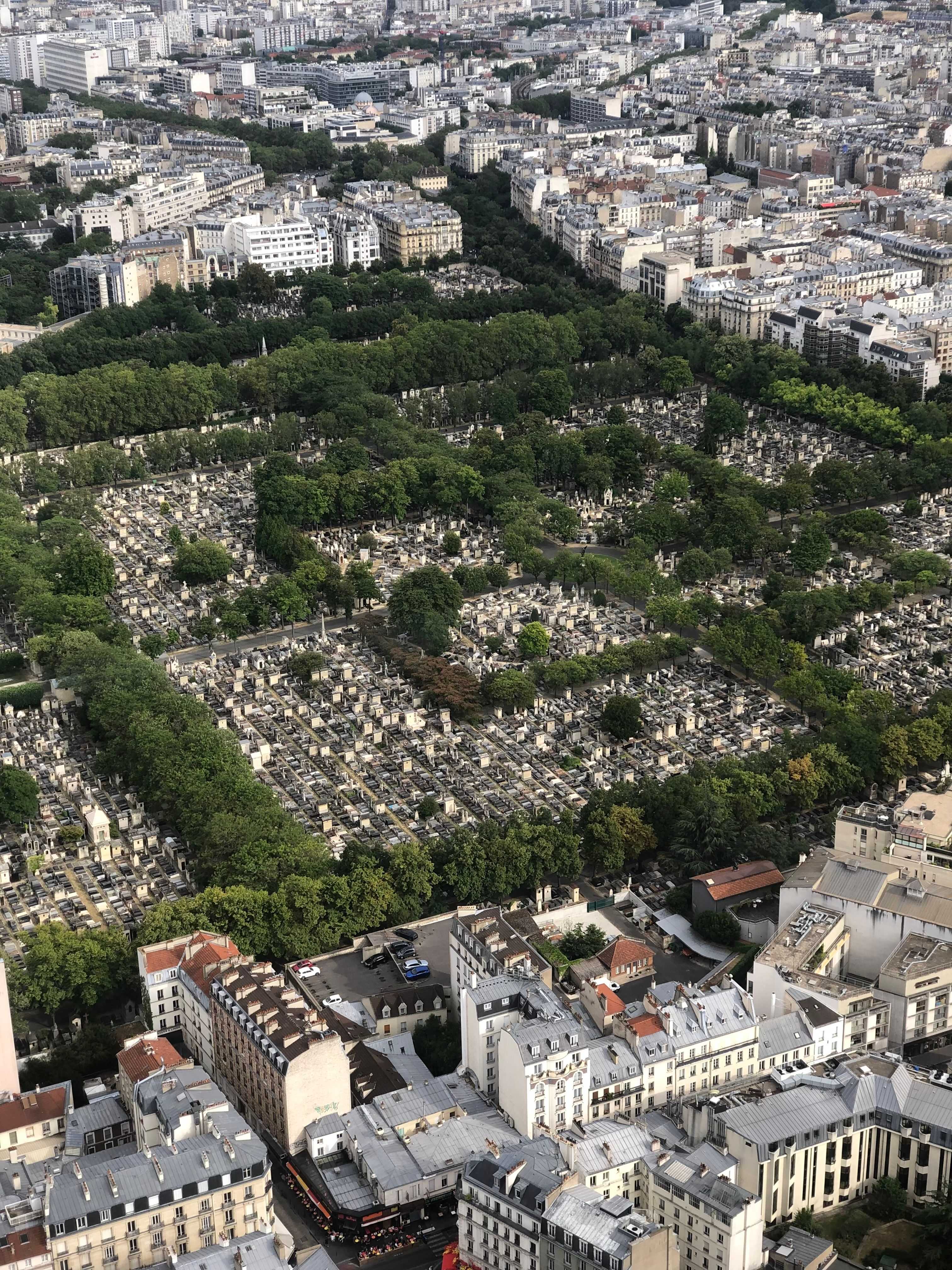
Paris is a city-department covering 105 km², situated in the heart of the Paris Basin, crossed by the Seine and surrounded by the Île-de-France region. With 2.1 million inhabitants within the city proper and over 12 million in the Greater Paris metropolitan area, it is France's largest urban area and one of the most significant in Europe. Founded over 2,000 years ago under the name Lutetia, Paris has been the political, artistic, intellectual and economic centre of France throughout the centuries.

The city is world-renowned for its exceptional architectural heritage: the Eiffel Tower, Notre-Dame Cathedral, the Arc de Triomphe, the Palais-Royal, Sacré-Cœur and Les Invalides. Its network of museums ranks among the richest in the world, with the Louvre — the world's most visited art museum — the Musée d'Orsay, the Centre Pompidou and the Orangerie. The city has been a UNESCO World Heritage Site since 1991 for its banks of the Seine.

Beyond the monuments, Paris is best experienced through its neighbourhoods, each with a distinct identity: Le Marais with its historic mansions, Montmartre and its artistic bohemia, Saint-Germain-des-Prés and its literary life, the Latin Quarter and its universities, or the Champs-Élysées and the luxury Golden Triangle. Paris is also a global gastronomic capital, with over 70 Michelin-starred restaurants and a deeply rooted culture of bread, cheese and wine.
Paris in numbers

Key geographical, historical and practical facts about the French capital.

Geography & administration

  • Area: 105 km² (city proper), 814 km² (Greater Paris Metropolis).
  • Population: approx. 2.1 million in Paris, over 12 million in the metropolitan area.
  • Divided into 20 arrondissements, arranged in a spiral from the centre (1st) to the outer districts (20th).
  • The Seine crosses the city over 13 km, connected by 37 bridges between the two banks.

Key figures

  • Founded: around 250 BC as Lutetia, the Gallic capital of the Parisii tribe.
  • Tourism: over 30 million international visitors per year — the world's top destination.
  • Heritage: UNESCO World Heritage Site since 1991 (banks of the Seine).
  • Economy: Europe's leading economic region, accounting for approximately 31% of French GDP.

Landmarks & iconic sites

Paris is home to an exceptional concentration of historic monuments and listed sites. Here are the must-sees.

Eiffel Tower, Paris

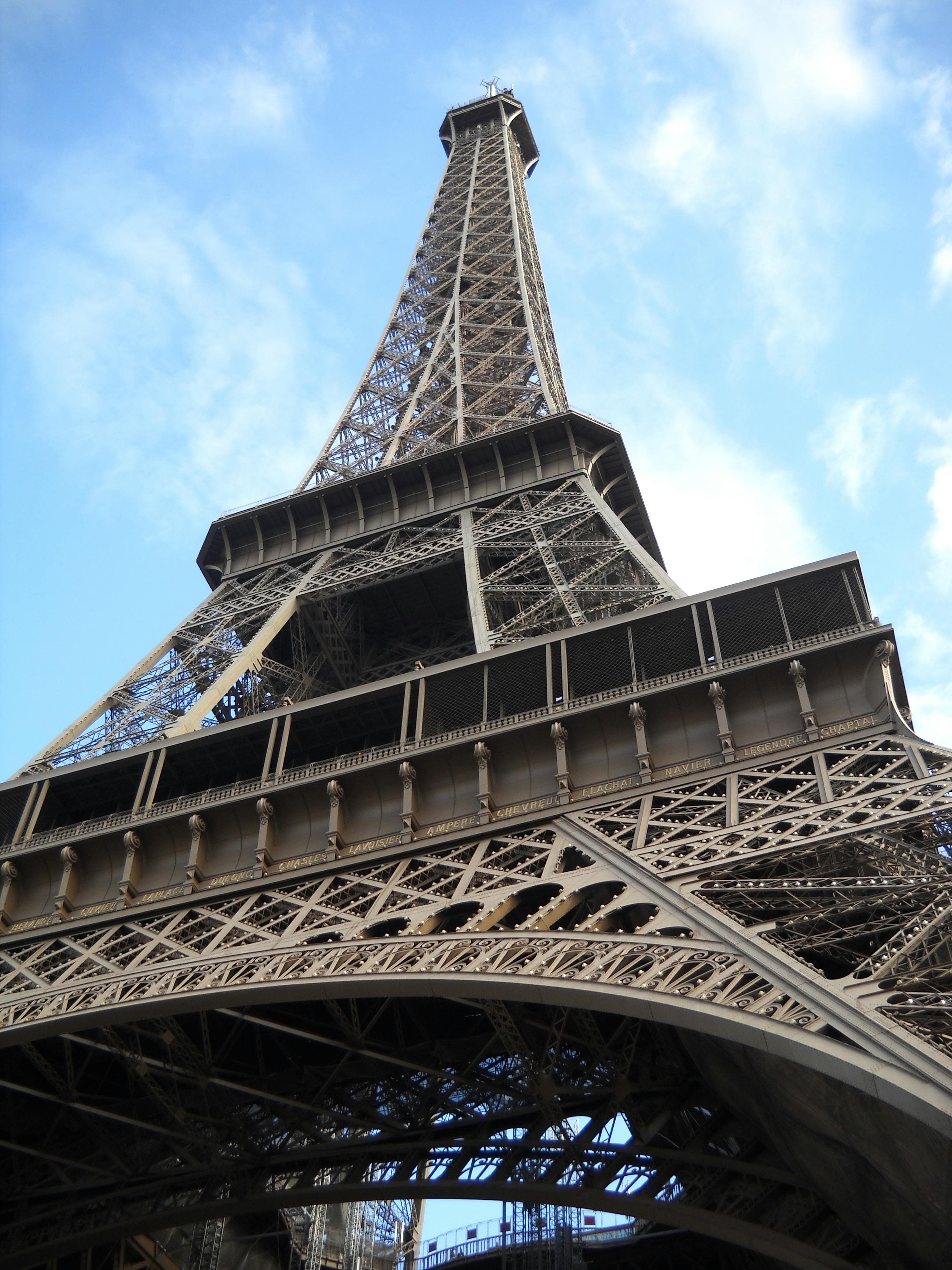
Eiffel Tower

Built by Gustave Eiffel for the 1889 World's Fair, the Eiffel Tower is the most visited monument in the world with over 7 million visitors per year. It stands 330 metres tall and offers a unique panoramic view of the capital from its three publicly accessible levels.

Arc de Triomphe, Paris

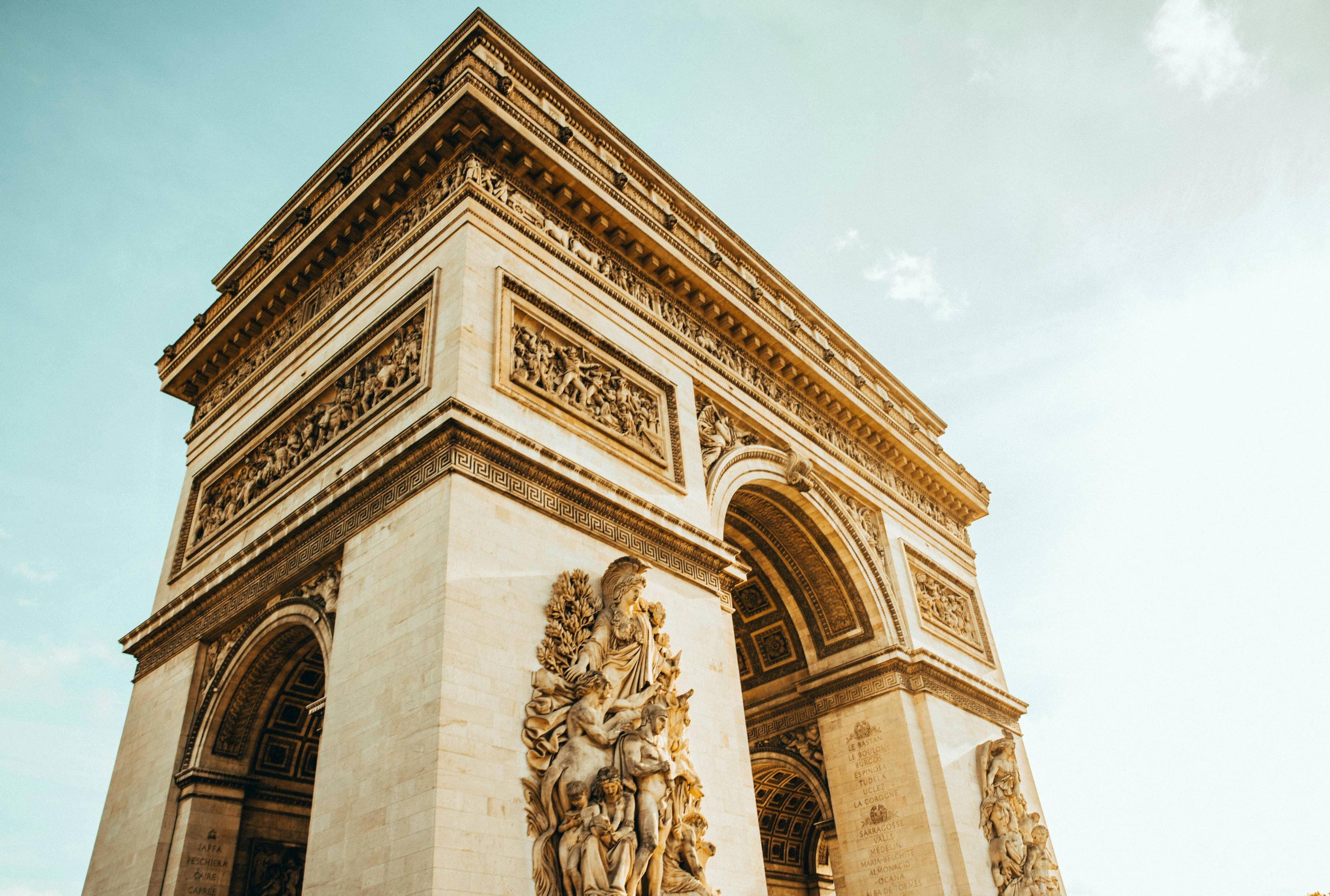
Arc de Triomphe

Commissioned by Napoleon I in 1806 after the victory of Austerlitz, the Arc de Triomphe stands at the centre of the Place de l'Étoile, at the junction of twelve avenues including the Champs-Élysées. It houses the Tomb of the Unknown Soldier and offers a breathtaking view of Paris's historic axis from its summit.

Notre-Dame Cathedral, Paris

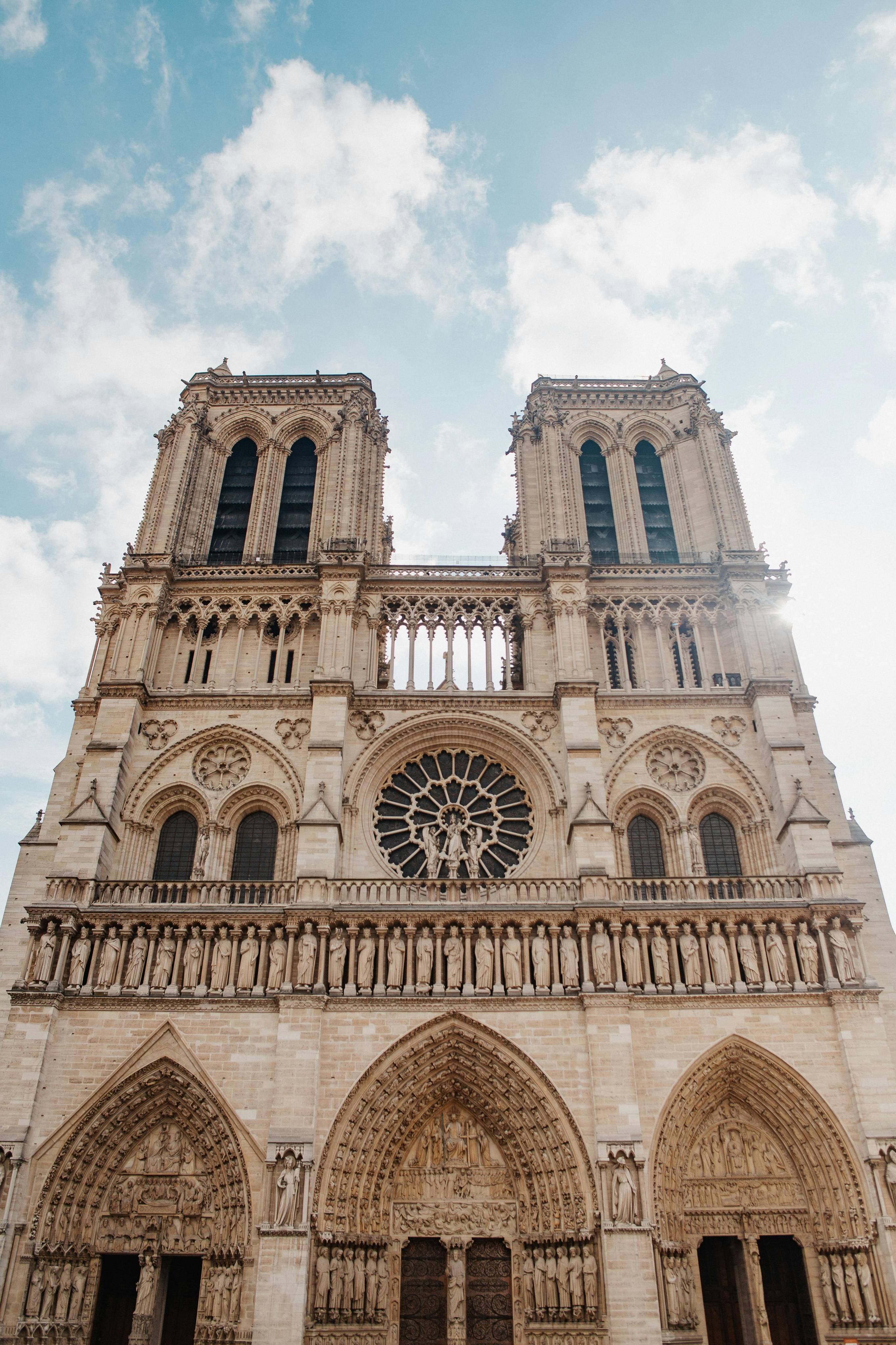
Notre-Dame Cathedral

A masterpiece of medieval Gothic architecture, Notre-Dame de Paris was built between the 12th and 14th centuries on the Île de la Cité. After the devastating fire of April 2019 and five years of extraordinary restoration work, the cathedral reopened its doors in December 2024, restored to its full splendour.

Montmartre and Sacré-Cœur, Paris

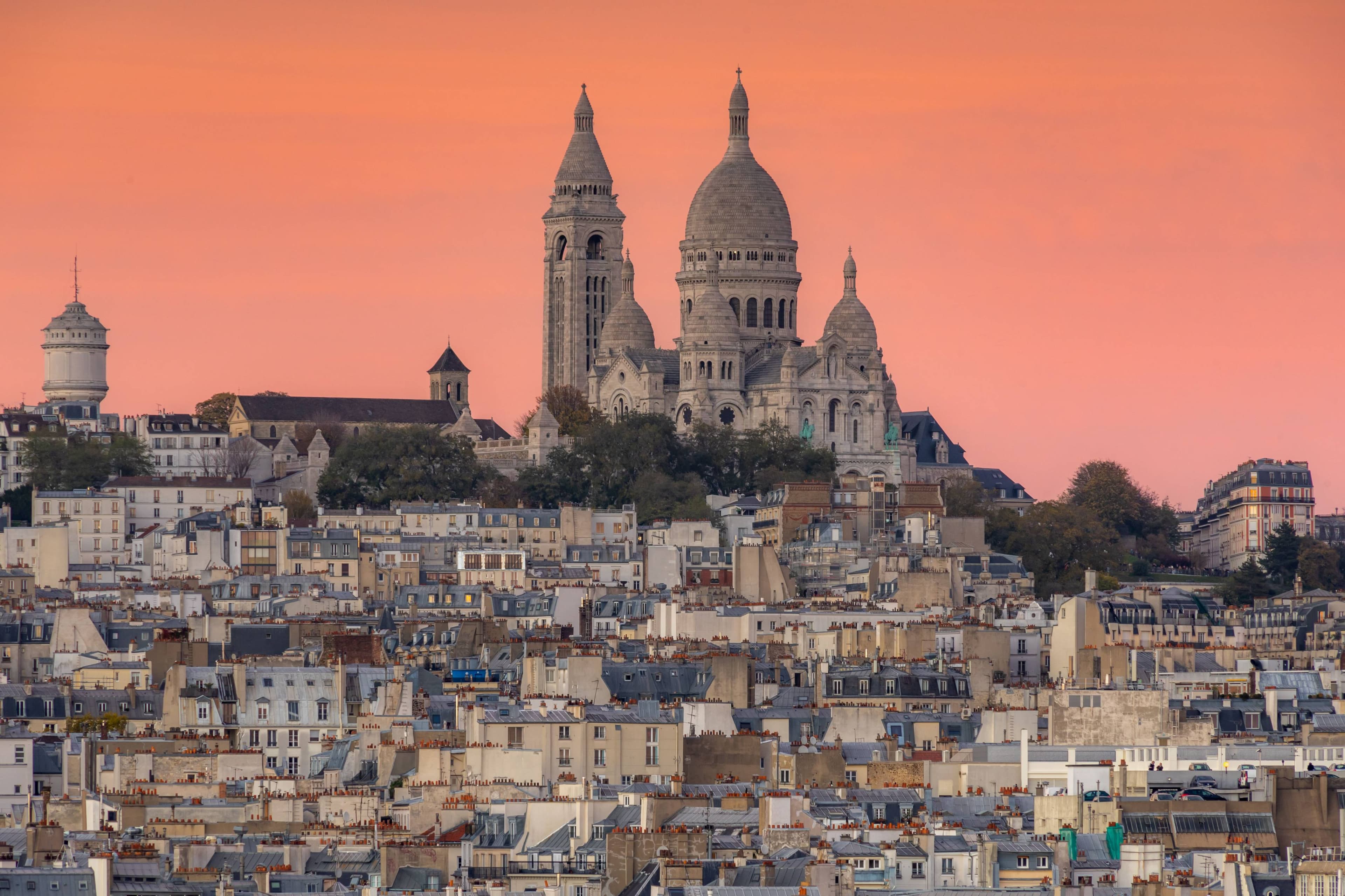
Montmartre & Sacré-Cœur

Perched atop the Butte Montmartre, the Sacré-Cœur is one of the most visited basilicas in France. The surrounding neighbourhood, once home to artists including Picasso, Modigliani and Toulouse-Lautrec, retains a unique bohemian atmosphere with its cobbled streets, studios and the famous Place du Tertre.

Louvre Museum, Paris

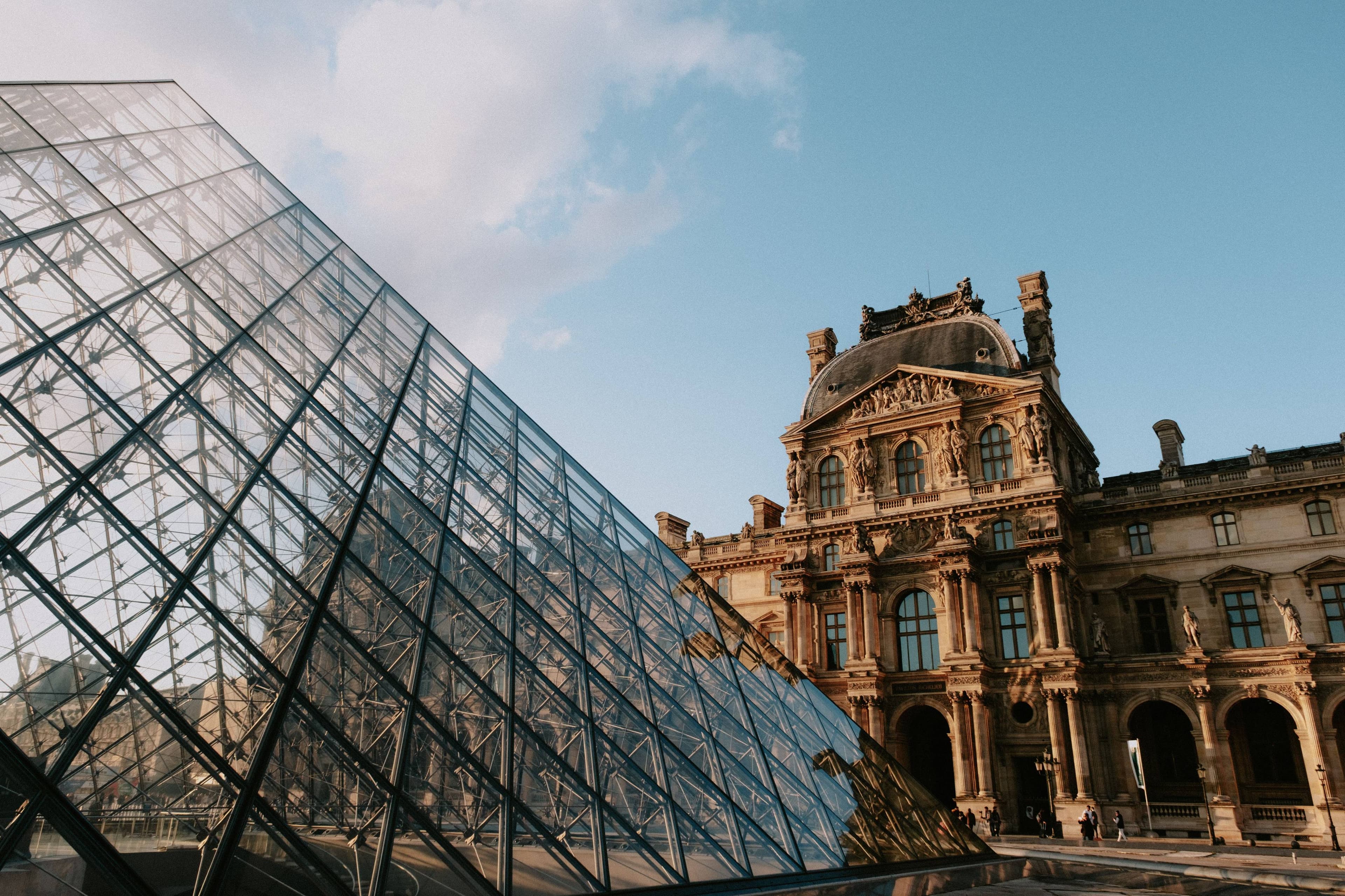
Louvre Museum

The world's largest and most visited art museum (approximately 9 million visitors per year), the Louvre occupies a royal palace on the banks of the Seine. Its permanent collection includes over 35,000 works, among them the Mona Lisa by Leonardo da Vinci, the Venus de Milo and the Winged Victory of Samothrace.

Orsay Museum, Paris

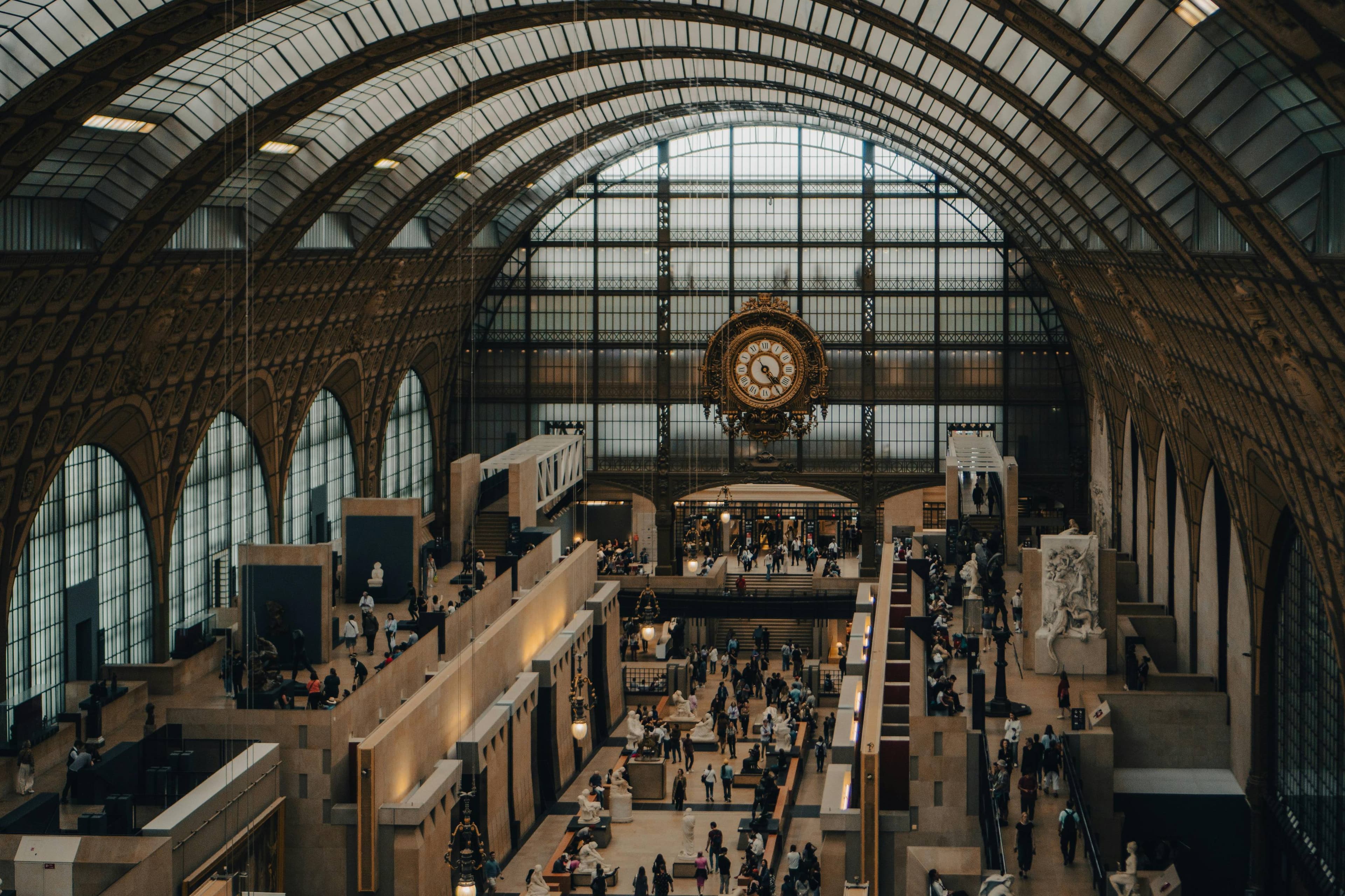
Musée d'Orsay

Housed in a former railway station built for the 1900 World's Fair, the Musée d'Orsay holds the world's largest collection of Impressionist and Post-Impressionist works: Monet, Renoir, Van Gogh, Cézanne, Degas and Gauguin are represented by their most celebrated paintings.

Le Marais, Paris

Le Marais

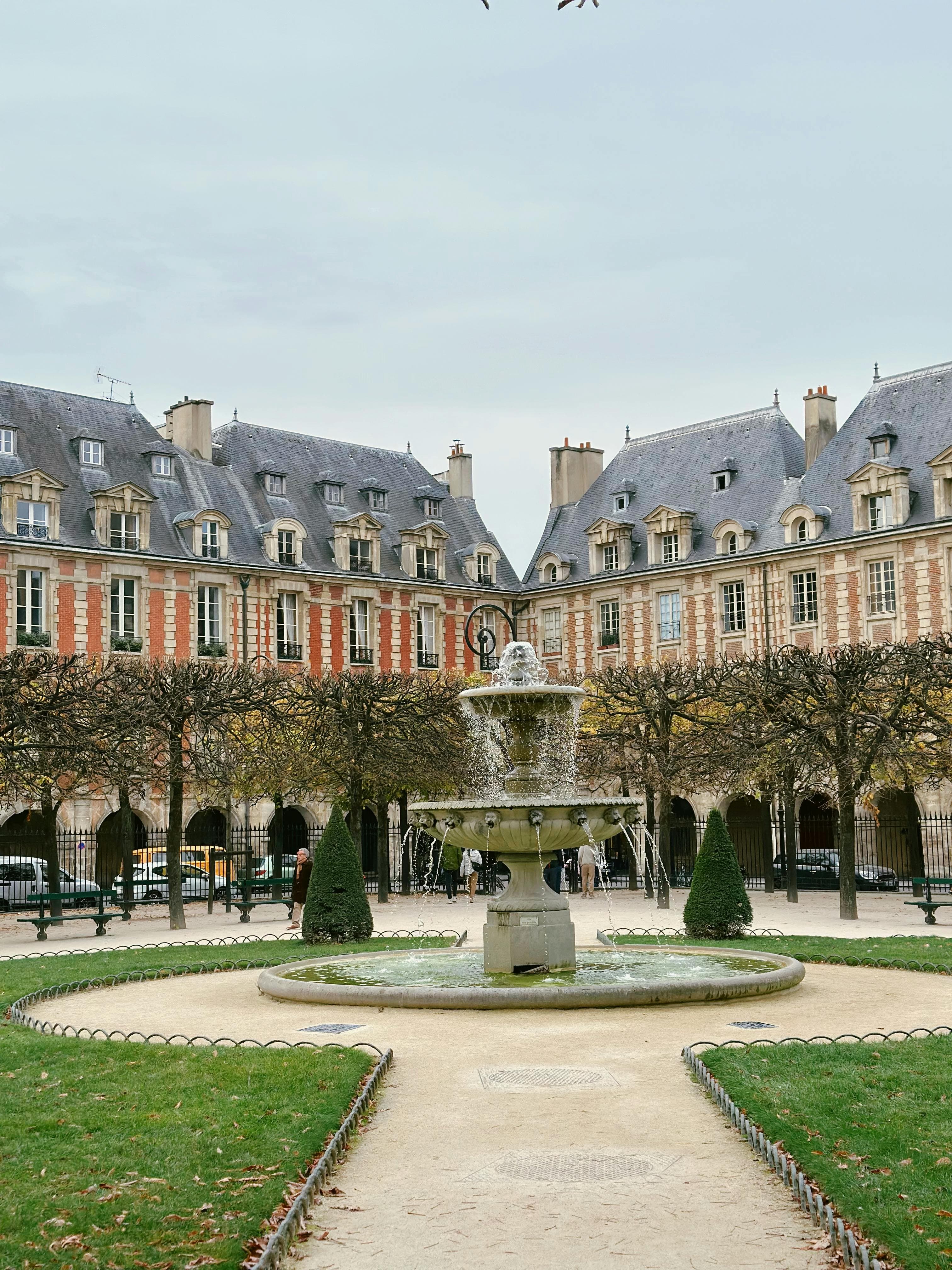
One of Paris's best-preserved historic districts, Le Marais spans the 3rd and 4th arrondissements. It contains an exceptional density of 16th and 17th-century mansions, contemporary art galleries, museums (Picasso, Carnavalet, National Archives) and a vibrant neighbourhood life centred around the Place des Vosges.

Sainte-Chapelle, Paris

Sainte-Chapelle

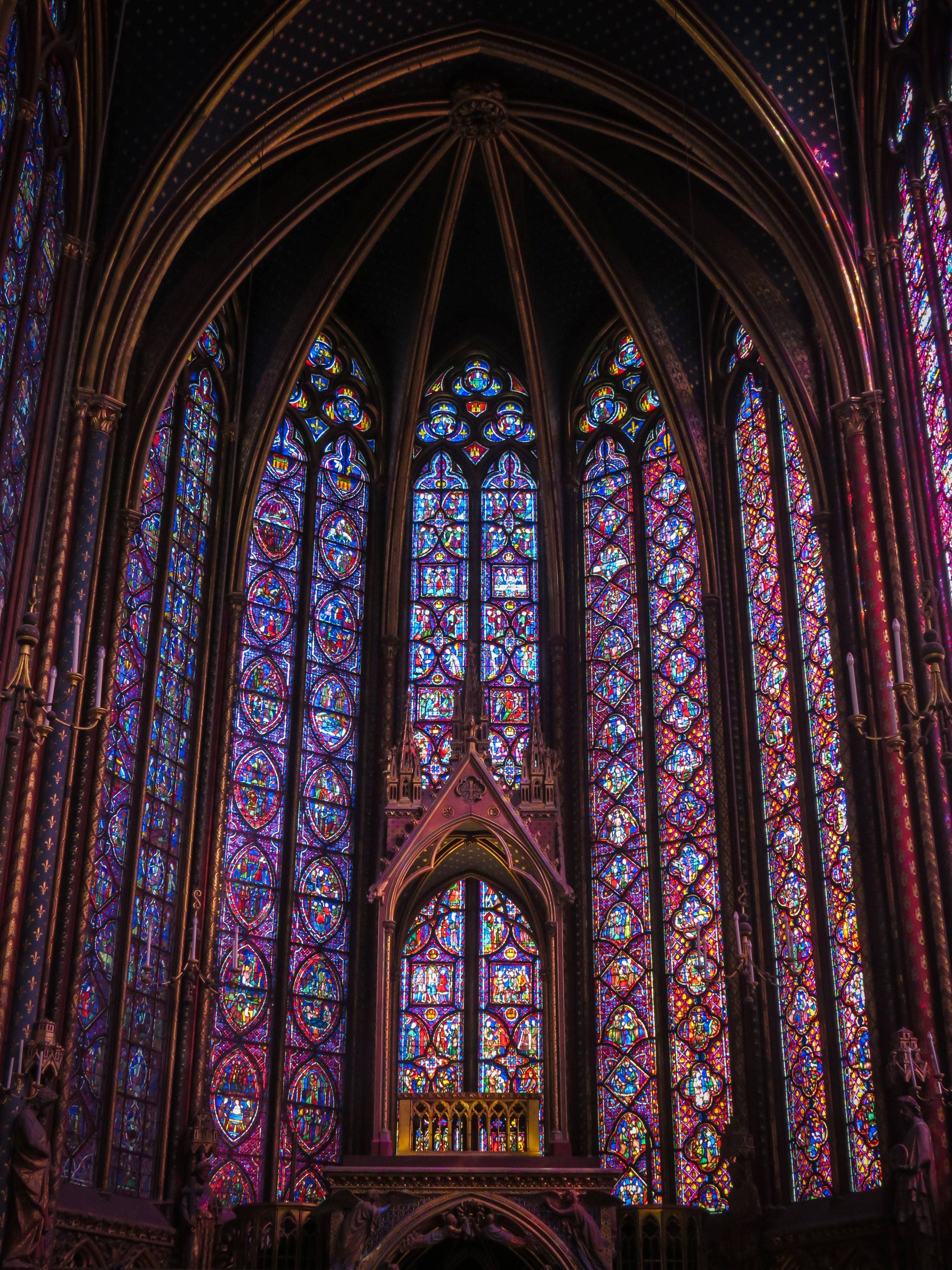
A jewel of Rayonnant Gothic architecture, Sainte-Chapelle was built in the 13th century by Saint Louis to house the relics of the Passion of Christ. Its 15 monumental stained-glass windows, covering over 600 m² and dating from the 13th century, form one of the finest ensembles of medieval stained glass in the world.

Paris's great neighbourhoods

Paris is best discovered neighbourhood by neighbourhood, each with its own identity, history and atmosphere.

Latin Quarter and Panthéon, Paris

Latin Quarter (5th–6th)

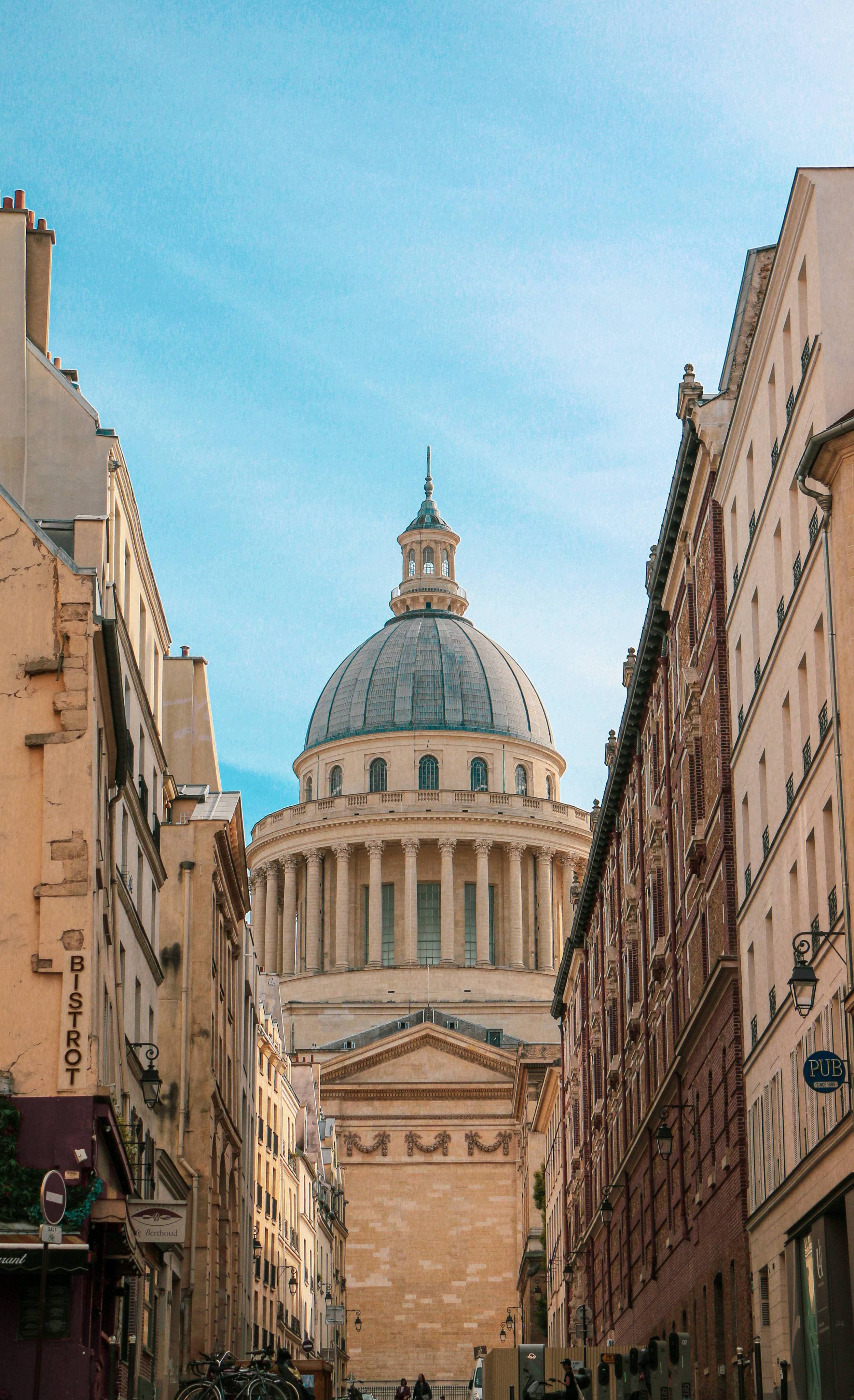
Paris's intellectual and university quarter since the Middle Ages, the Latin Quarter is home to the Sorbonne, the Panthéon, numerous bookshops and a lively student scene. The Boulevard Saint-Michel and the surrounding streets remain an essential place to stroll.

Covered passages, Paris

Saint-Germain-des-Prés (6th)

The cradle of Parisian intellectual and literary life, Saint-Germain-des-Prés saw existentialism born in its mythical cafés (Les Deux Magots, Café de Flore). Today a neighbourhood of understated luxury, it hosts numerous art galleries, publishing houses and fashion boutiques.

Champs-Élysées and Arc de Triomphe, Paris

Champs-Élysées & Golden Triangle (8th)

The world's most beautiful avenue connects the Place de la Concorde to the Arc de Triomphe over 1.9 km. The Golden Triangle (avenues Montaigne, George V and the Champs-Élysées) is home to the greatest haute couture and luxury houses: Chanel, Dior, Louis Vuitton, Hermès.

Paris, historic districts

Covered passages (2nd–9th)

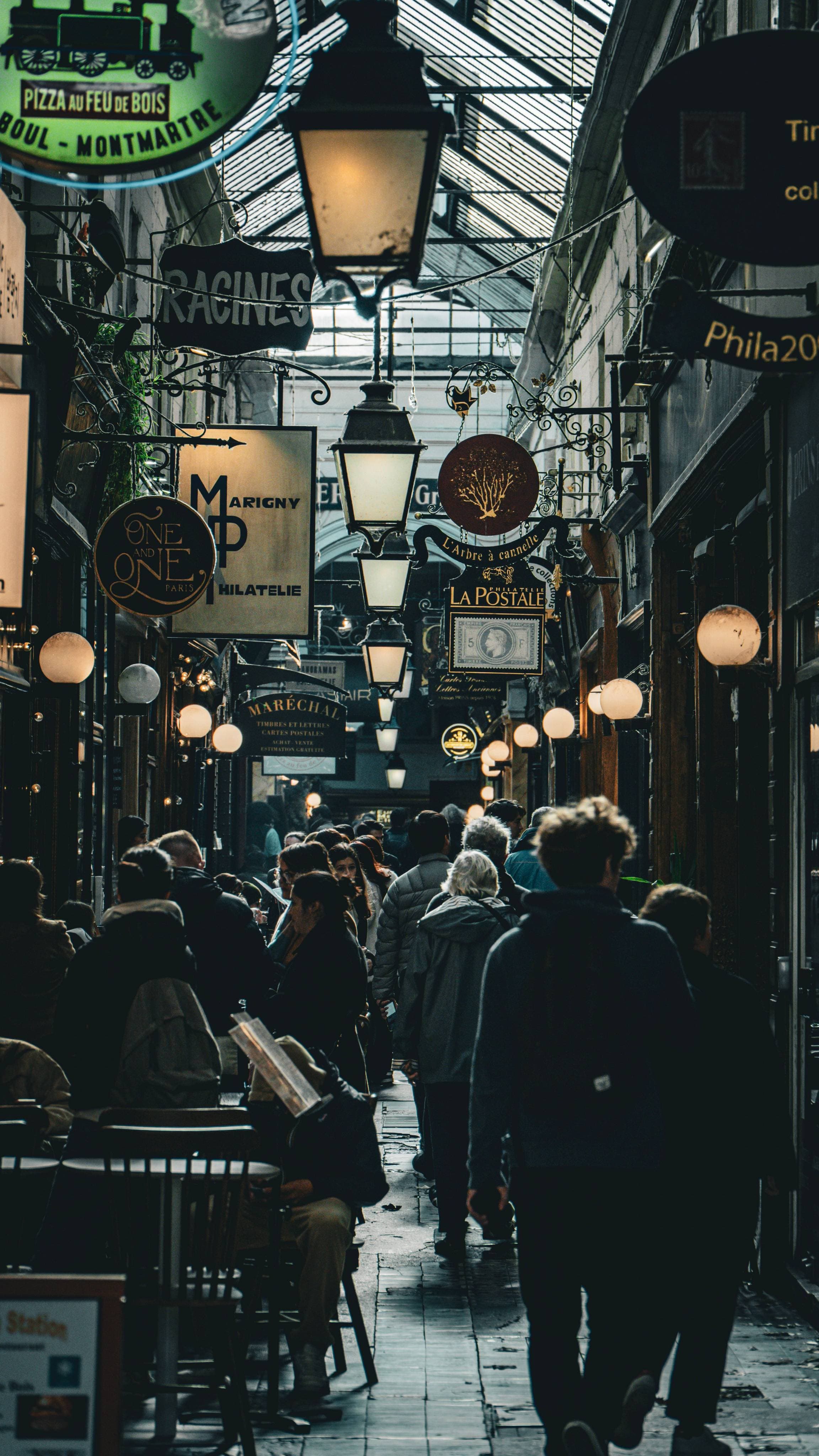
Paris has around twenty covered passages dating from the 19th century, the true forerunners of modern shopping galleries. The Passage des Panoramas, Galerie Vivienne and Passage Jouffroy are among the most beautiful, with their glass roofs, mosaics and antique and bric-a-brac shops.

Getting around Paris

Paris has a dense and efficient public transport network, complemented by soft mobility options and private transport solutions.

Paris Métro

With 16 lines, 302 stations and frequencies of up to 90 seconds during peak hours, the Paris Métro is one of the densest in the world. It serves the entirety of Paris intra-muros and is operated by the RATP.

RER and suburban trains

The Regional Express Network (RER) connects Paris to its suburbs and airports: RER B serves CDG (approx. 35 minutes from Gare du Nord), RER C runs along the Seine and serves Versailles. The Transilien lines extend this network towards outer suburban stations.

Taxis and private chauffeurs

Taxis and private hire vehicles are easily accessible from main thoroughfares, stations and airports. For a transfer from Paris airports or for an hourly hire, a private chauffeur remains the most comfortable solution, particularly for business travellers and families.

Bikes and soft mobility

The Vélib' network offers over 20,000 self-service bikes (standard and electric) at more than 1,400 stations. Paris has also developed over 1,000 km of cycle lanes, making cycling a practical way to get around the capital.

Frequently asked questions about Paris

What is the best time to visit Paris?

Paris can be visited year-round, but spring (April–June) and autumn (September–October) offer the best balance of mild weather and moderate crowds. Summer is peak tourist season (longer queues at monuments), while winter offers lower prices and a more local atmosphere.

How do I get to Paris from Charles de Gaulle airport?

Several options: the RER B (approximately 35 minutes to Gare du Nord, zone 5 ticket), Air France coaches, private shuttles and taxis at a regulated fixed fare. For maximum comfort, especially with a family or luggage, a private chauffeur offers a direct transfer from the terminal to your Parisian address.

Is Paris family-friendly?

Yes. Paris offers many activities suited to families: the Jardin d'Acclimatation, the Tuileries Garden, the Cité des Sciences et de l'Industrie at La Villette, the zoos at Vincennes and Thoiry, as well as easy access to Disneyland Paris (32 km) and Parc Astérix (35 km).

Should I book museum tickets in advance?

It is strongly recommended to book online, especially for the Louvre, the Musée d'Orsay and the Eiffel Tower. Queues can be very long during peak season, and some time slots fill up days in advance. Skip-the-line tickets are available on official websites.

What is the official language and currency in Paris?

The official language is French. The euro (€) is the currency in use. In tourist areas and upscale hotels, English is widely spoken. Card payment is accepted in the vast majority of shops.

Need a private chauffeur for your travels in Paris, from the airports, or to discover the city like a true Parisian?