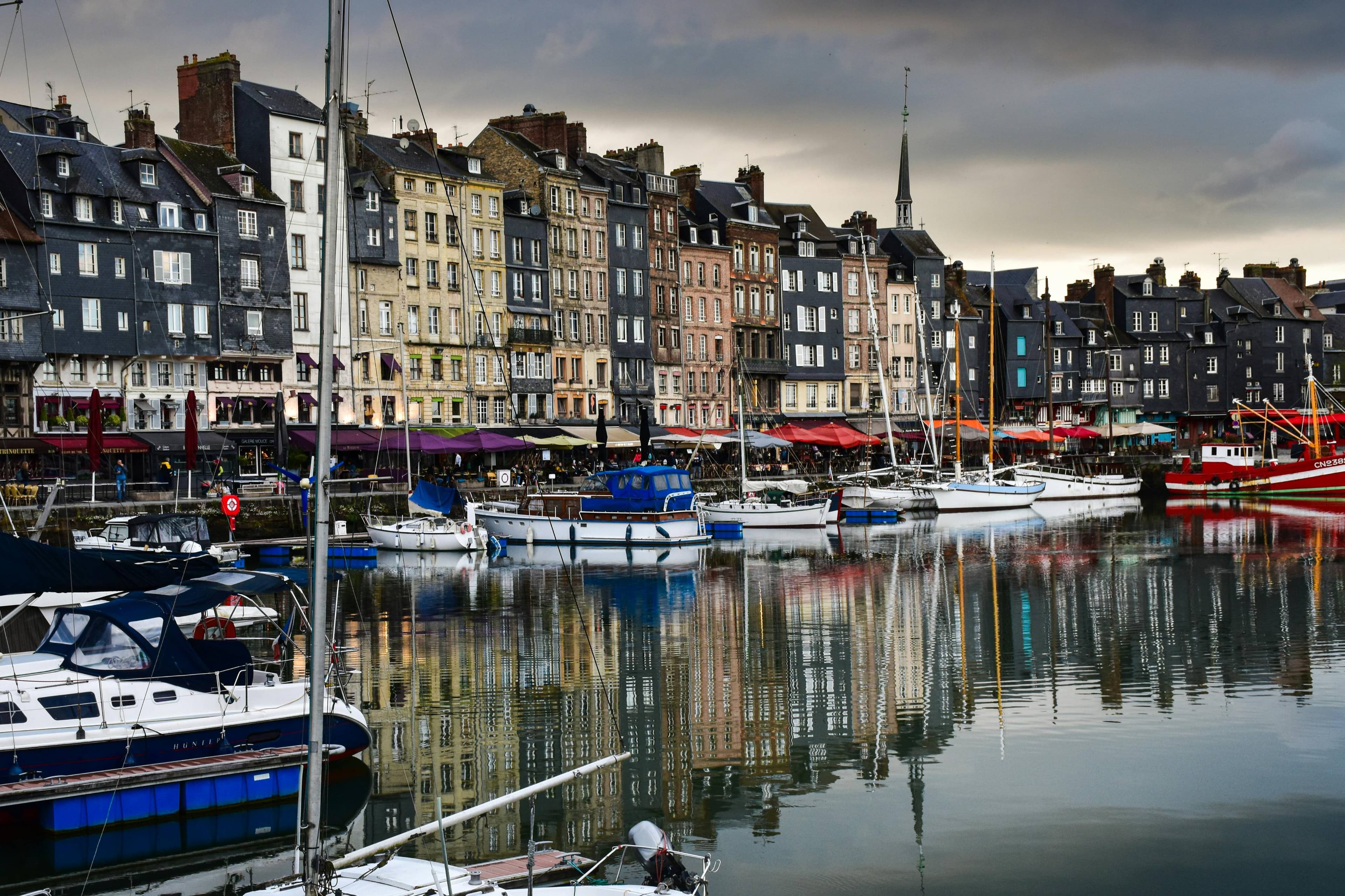
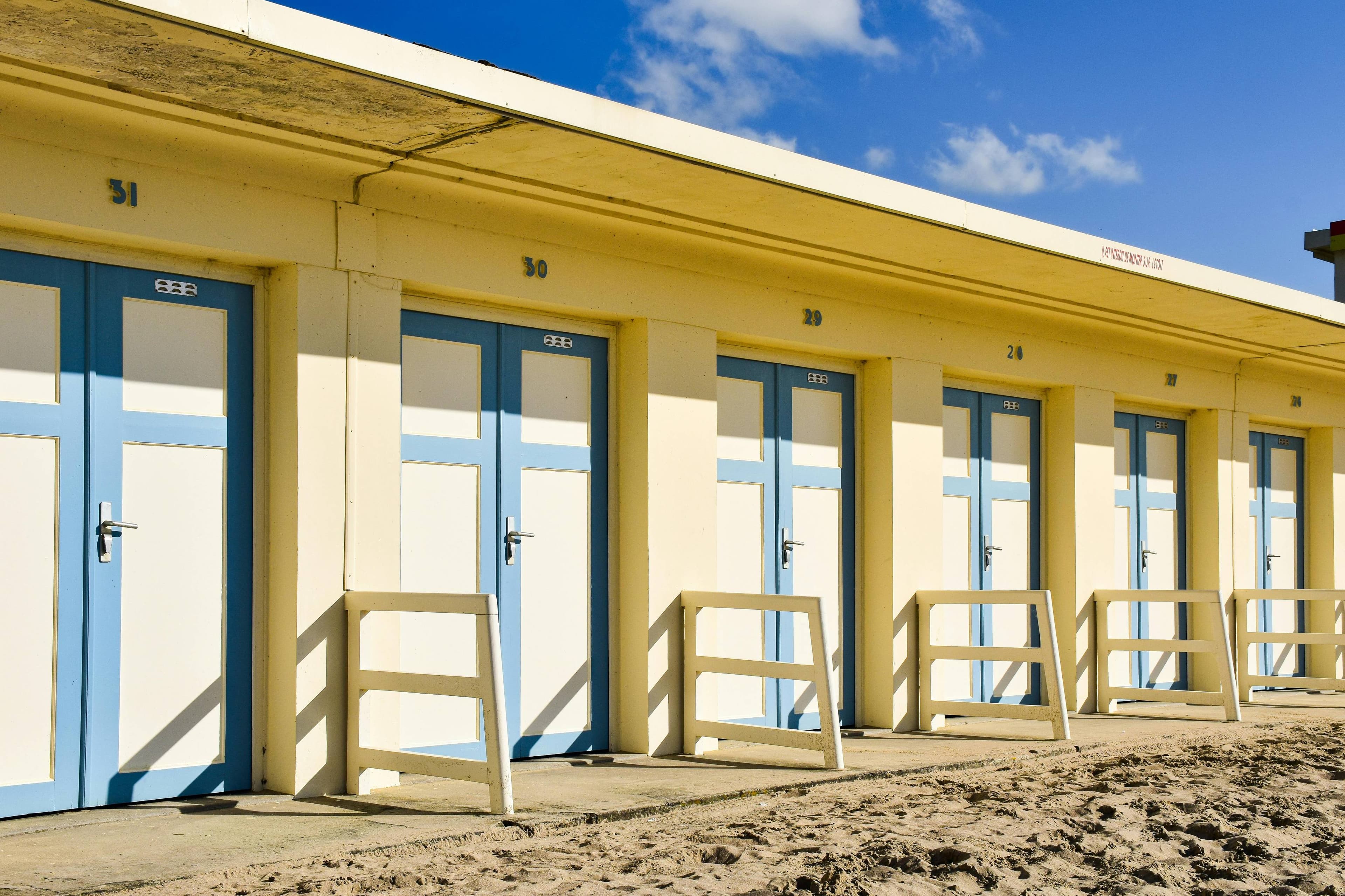
Normandy is an administrative region in north-west France, formed in 2016 by the merger of Upper Normandy and Lower Normandy. It covers approximately 29,900 km² and has a population of around 3.4 million. Bordered to the north by the English Channel over more than 600 km of coastline, it shares borders with Île-de-France, Hauts-de-France, Centre-Val de Loire and Pays de la Loire. Its prefecture is Rouen.
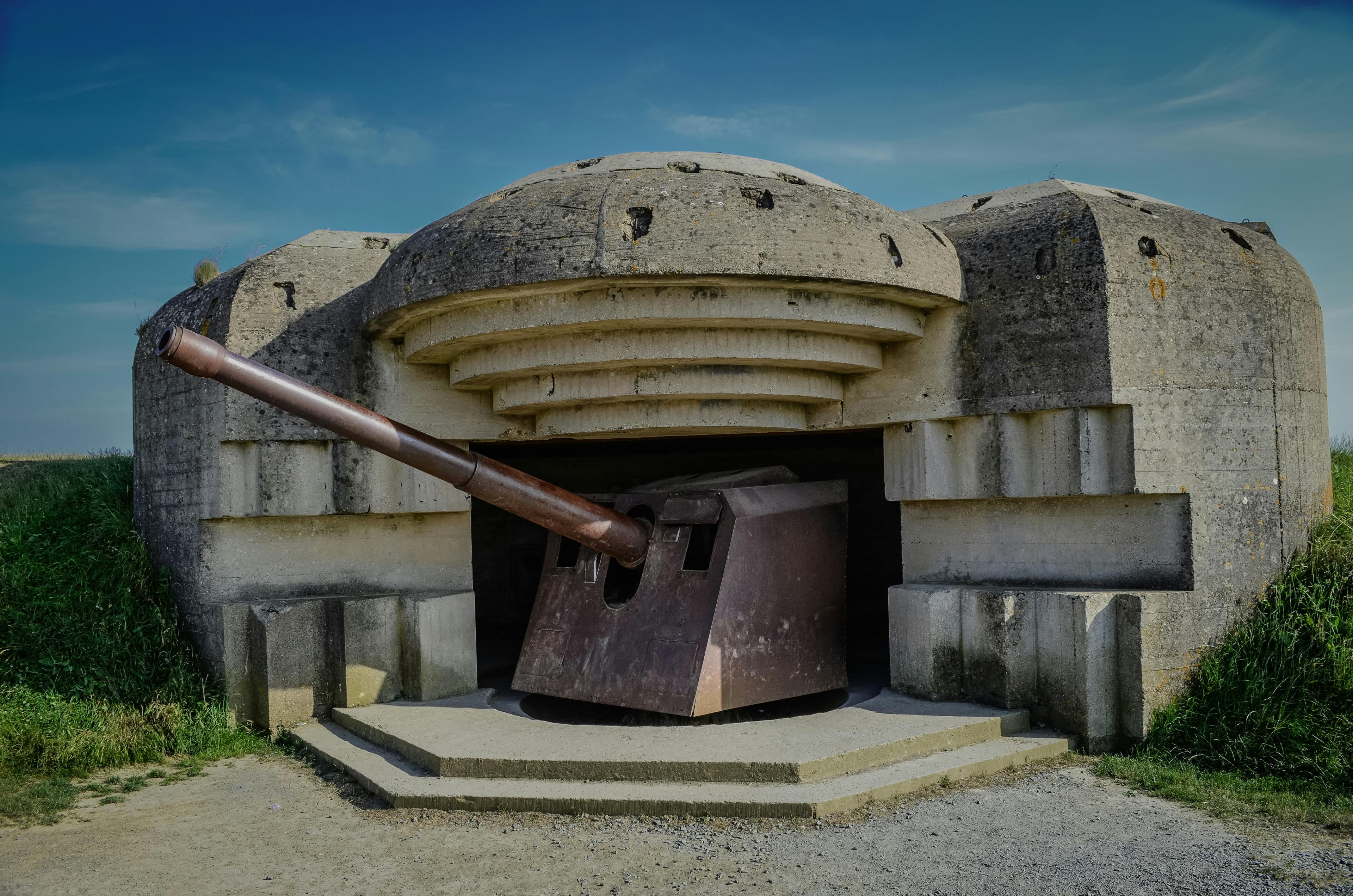
The region takes its name from the Vikings — the Normans — who settled there in the 10th century under William Longsword, son of Rollo. This Nordic and maritime identity still deeply permeates the Norman landscape, architecture and culture. Normandy is also intimately linked to the history of the Second World War: the D-Day landing beaches of 6 June 1944 — Omaha Beach, Utah Beach, Sword Beach, Juno Beach and Gold Beach — attract millions of visitors each year in search of memory and reflection.
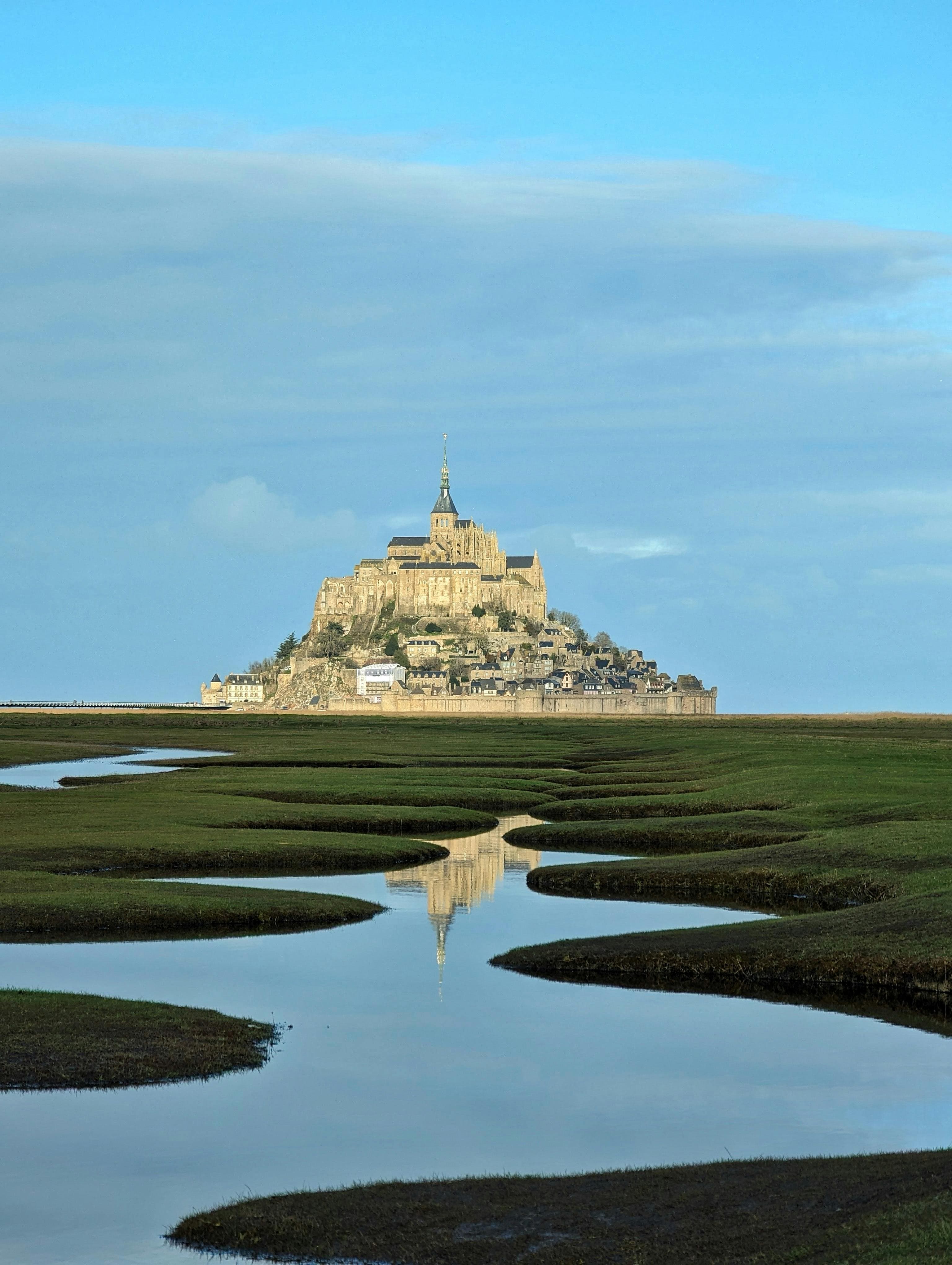
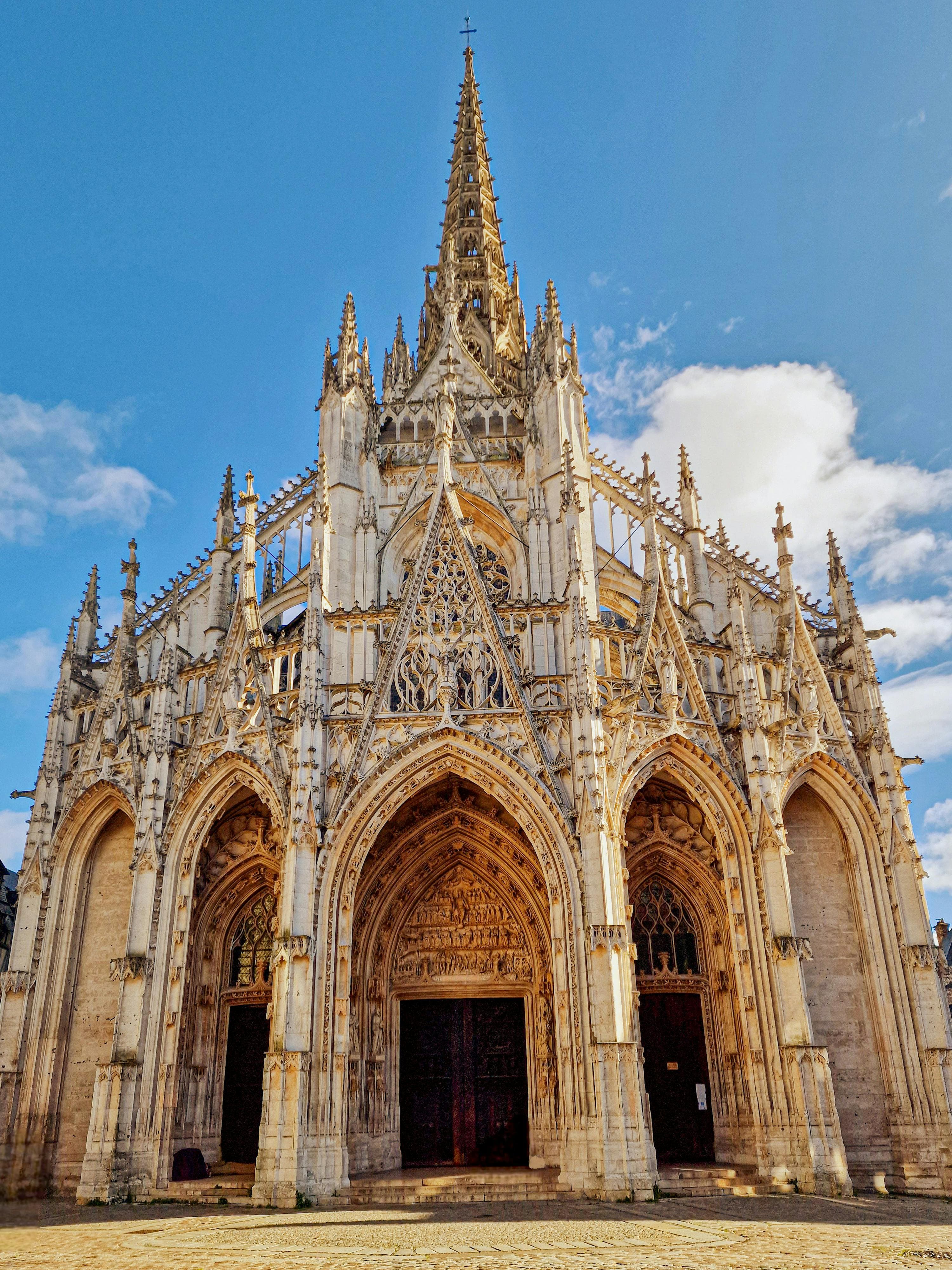
Beyond its history, Normandy captivates with the diversity of its landscapes: the cliffs of Étretat, lush bocage countryside, the marshes of the Cotentin peninsula, and the bay of Mont Saint-Michel, a UNESCO World Heritage Site. Its gastronomy is one of the most renowned in France, built around camembert, calvados, Norman cider, oysters and crème fraîche. The region is also inseparable from Impressionism: Monet painted his series of Rouen Cathedral there and his water lilies in his garden at Giverny, now a museum.