Val de Loire · UNESCO World Heritage Site

Loire Valley Châteaux: the complete guide to the Valley of the Kings

A UNESCO World Heritage Site, the Loire Valley is home to the largest concentration of Renaissance châteaux in Europe: Chambord, Chenonceau, Amboise, Blois, Chaumont and the Clos-Lucé, Leonardo da Vinci's last home.

History, architecture and practical tips for discovering the Loire châteaux from Paris.

The Valley of the Kings

The Val de Loire refers to the stretch of the Loire Valley between Chalonnes-sur-Loire (Maine-et-Loire) and Sully-sur-Loire (Loiret), approximately 280 km of river listed as a UNESCO World Heritage Site since 2000 for its exceptional cultural landscape. This region was the setting for French court life for over a century, from the reign of Charles VII to that of Henri III, attracting Italian artists, architects and humanists in the wake of the Renaissance.

The Loire châteaux are not merely architectural monuments: they are witnesses to a political, artistic and human history of exceptional richness. It was at Amboise that Leonardo da Vinci died in 1519, invited by Francis I. It was at Blois that the assassination of the Duke of Guise was arranged in 1588. It was at Chenonceau that Catherine de Medici and Diane de Poitiers competed for influence over Henri II. It was at Chambord that Francis I had built one of the absolute masterpieces of the European Renaissance.

The Loire Valley is accessible by TGV from Paris (Gare Montparnasse) in approximately one hour to Tours or Blois. A private chauffeur departing from Paris allows you to visit two or three châteaux in a long day, without the constraints of public transport between sites.
Practical information

Distances, transport and key facts to organise your visit to the Loire châteaux.

Distances from Paris

  • Chambord: 180 km (approximately 2h by car, or TGV to Blois then taxi).
  • Amboise & Clos-Lucé: 220 km (approximately 2h15 by car, or TGV to Amboise).
  • Chenonceau: 225 km (approximately 2h15, or TGV to Tours then 30 min).
  • Blois: 175 km (approximately 1h50 by car, or TGV from Montparnasse in 1h).

Key figures

  • UNESCO: the Val de Loire has been a UNESCO World Heritage Site since 2000.
  • Chambord: 440 rooms, 365 chimneys, 84 staircases — the largest château in the Loire.
  • Tourism: over 5 million visitors per year to the Loire châteaux.
  • Leonardo da Vinci: lived his final years in Amboise (1516–1519), invited by Francis I.

Must-see châteaux

Six exceptional châteaux, each with its own history, architecture and atmosphere.

Château de Chambord, Loire Valley

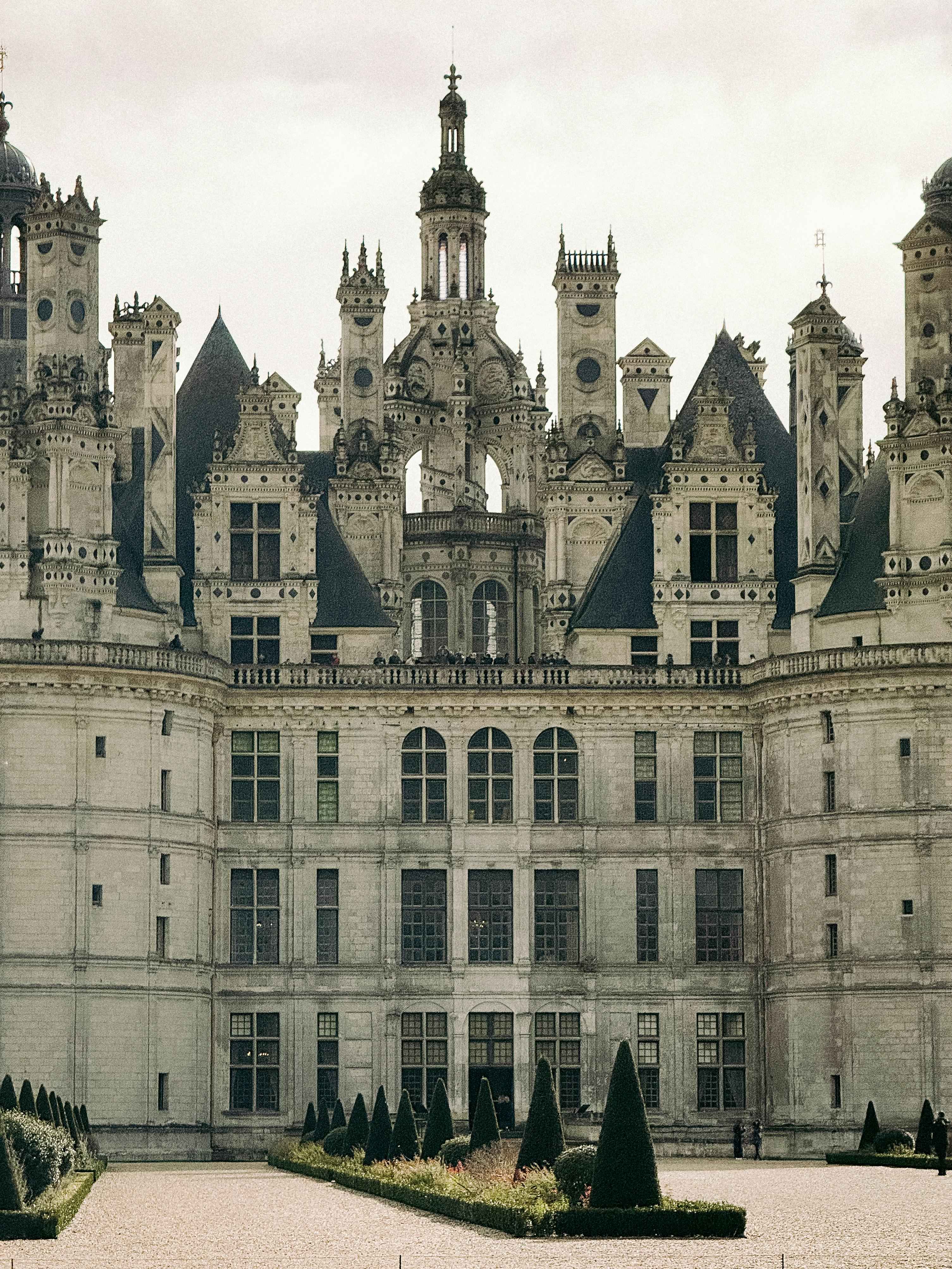
Château de Chambord

The largest château in the Loire and one of the largest in the world, Chambord is a masterpiece of French Renaissance architecture. Commissioned by Francis I from 1519, it has 440 rooms, 365 chimneys and 84 staircases, including the famous double helical staircase attributed to Leonardo da Vinci. Surrounded by a 5,440-hectare walled park — the largest enclosed forest in Europe — it is today home to free-roaming deer and wild boar.

Château d'Amboise, Loire Valley

Château d'Amboise

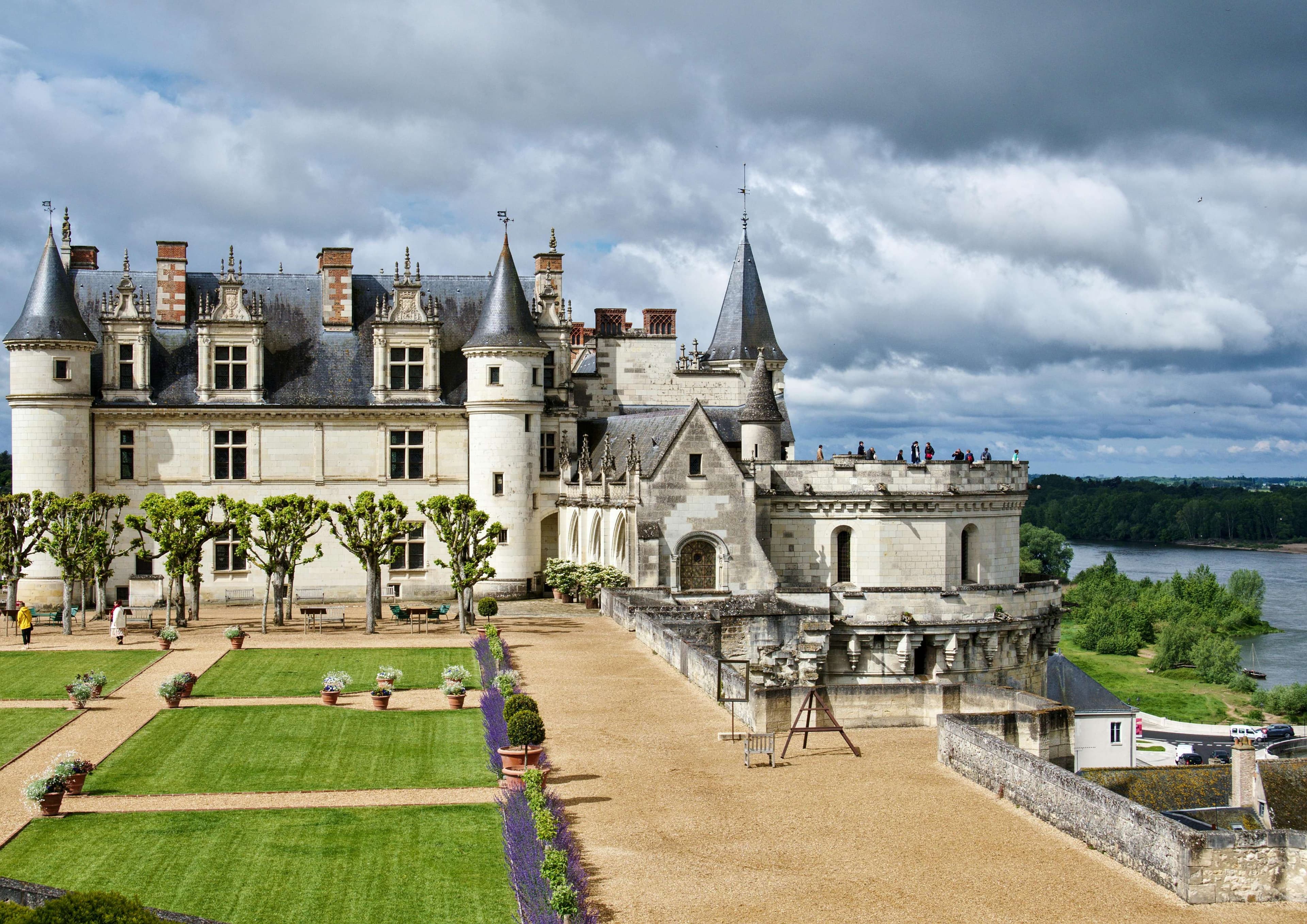
Perched on a rocky promontory overlooking the Loire, the royal château of Amboise was one of the first to introduce Italian Renaissance aesthetics to France. The young Francis I was raised here, and Leonardo da Vinci died here on 2 May 1519, a few hundred metres from the Clos-Lucé. The Chapel of Saint-Hubert, a jewel of Flamboyant Gothic, houses the presumed tomb of the universal genius.

Château de Chenonceau, Loire Valley

Château de Chenonceau

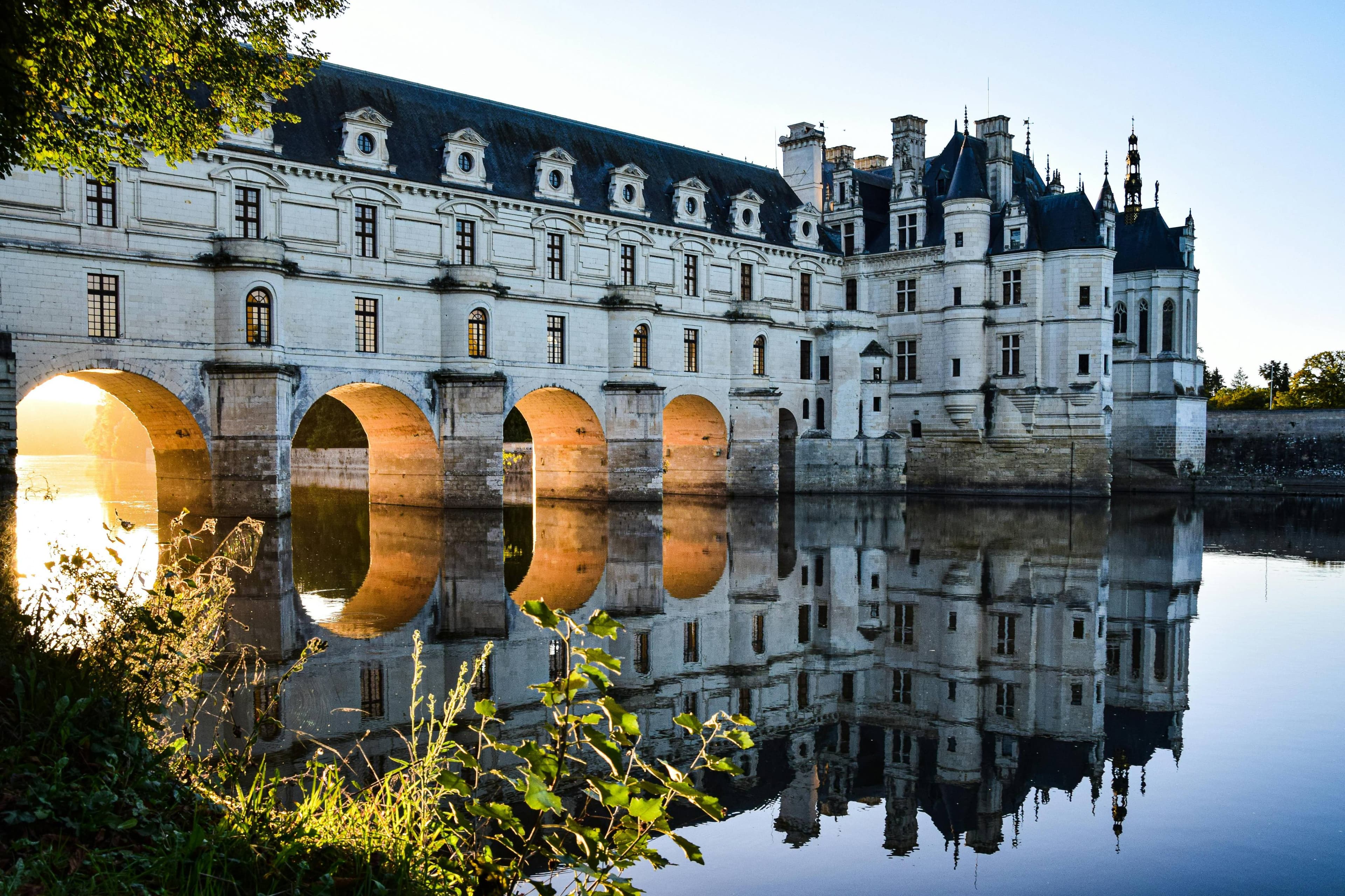
Nicknamed the Château des Dames for the illustrious women who lived there, Chenonceau is perhaps the most elegant château in the Loire. Its unique architecture — a two-storey gallery spanning the River Cher over 60 metres — was designed by Philibert de l'Orme for Diane de Poitiers, before Catherine de Medici took it over upon Henri II's death. It is today the most visited château in France after Versailles.

Le Clos-Lucé, Amboise

Le Clos-Lucé

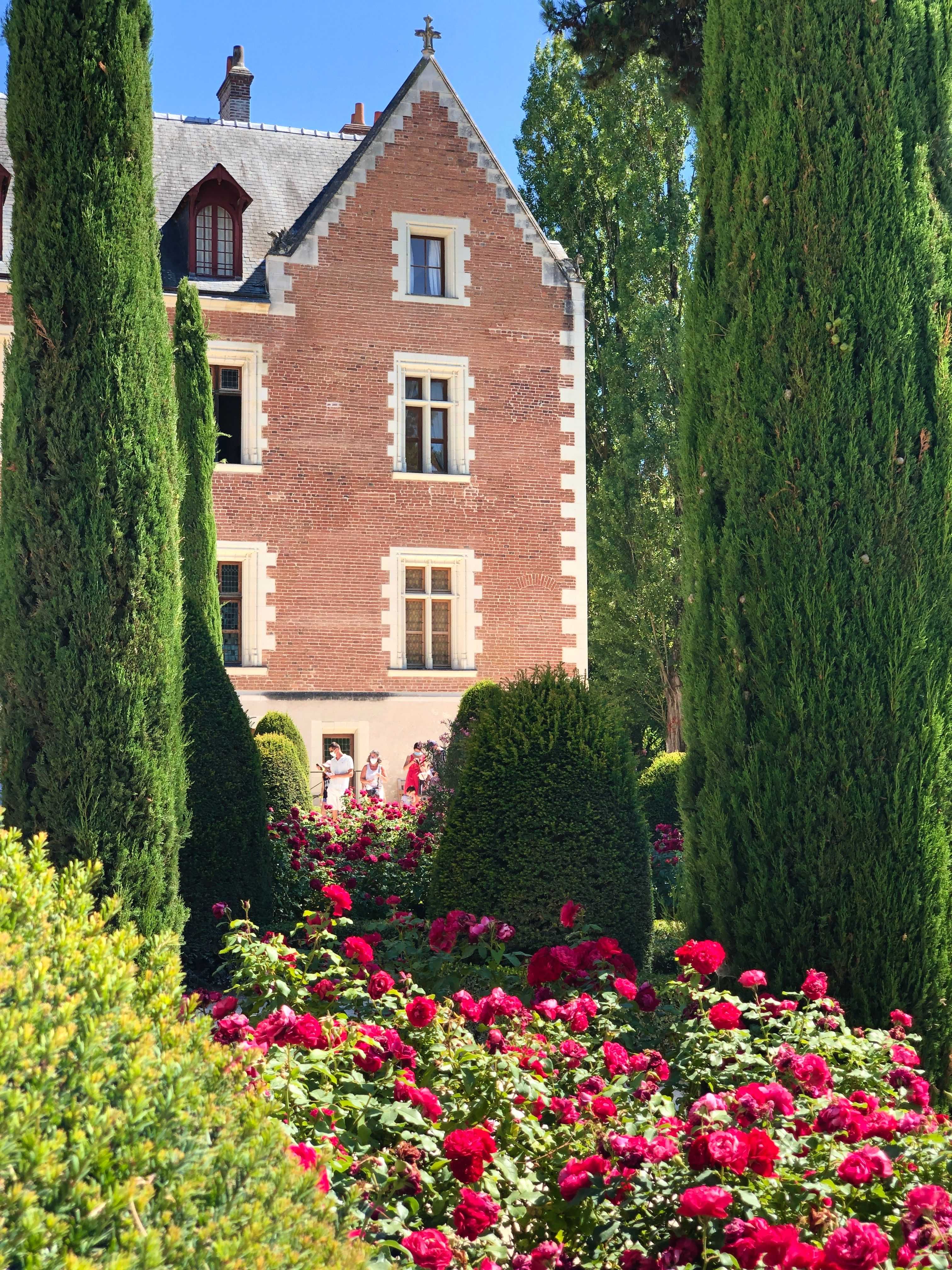
Leonardo da Vinci's last home, the Clos-Lucé is a 15th-century Renaissance manor in which the Tuscan genius lived his final three years (1516–1519) at the invitation of Francis I. The manor houses models of his inventions (tank, helicopter, articulated bridge) and a 7-hectare park featuring his projects at full scale. A stone's throw from the château of Amboise, it is an unmissable stop.

Château de Blois, Loire Valley

Château de Blois

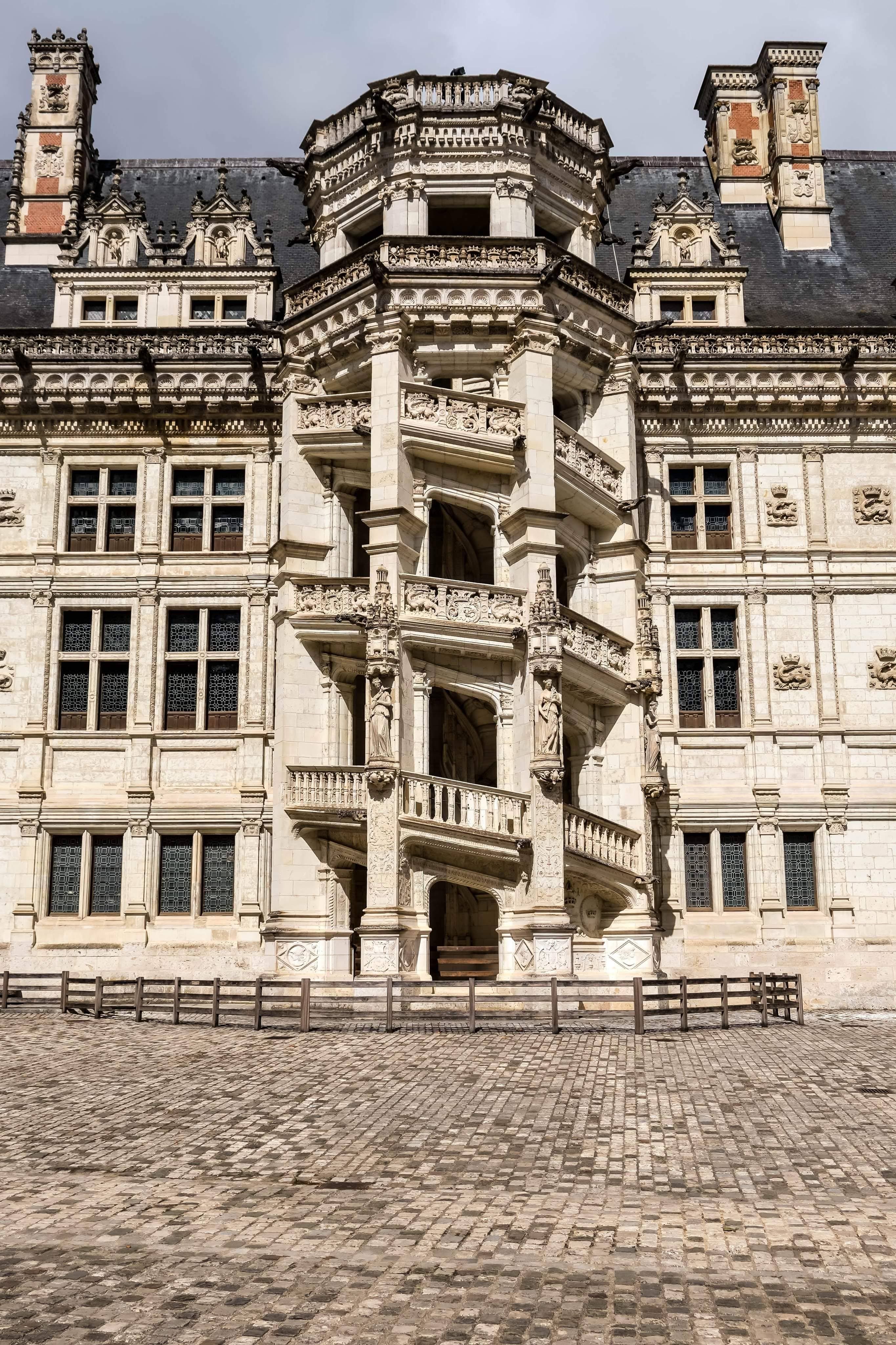
The château of Blois is a veritable architecture textbook: its four wings bear witness to four different styles — Gothic, early Renaissance (the Francis I wing with its famous decorated spiral staircase), late Renaissance (the Gaston d'Orléans wing) and Classical (the Louis XIII façade). It was here that Henri III had the Duke of Guise and his brother the Cardinal assassinated in 1588. The château sits at the heart of the Val de Loire, 15 minutes from Chambord.

Château de Chaumont-sur-Loire

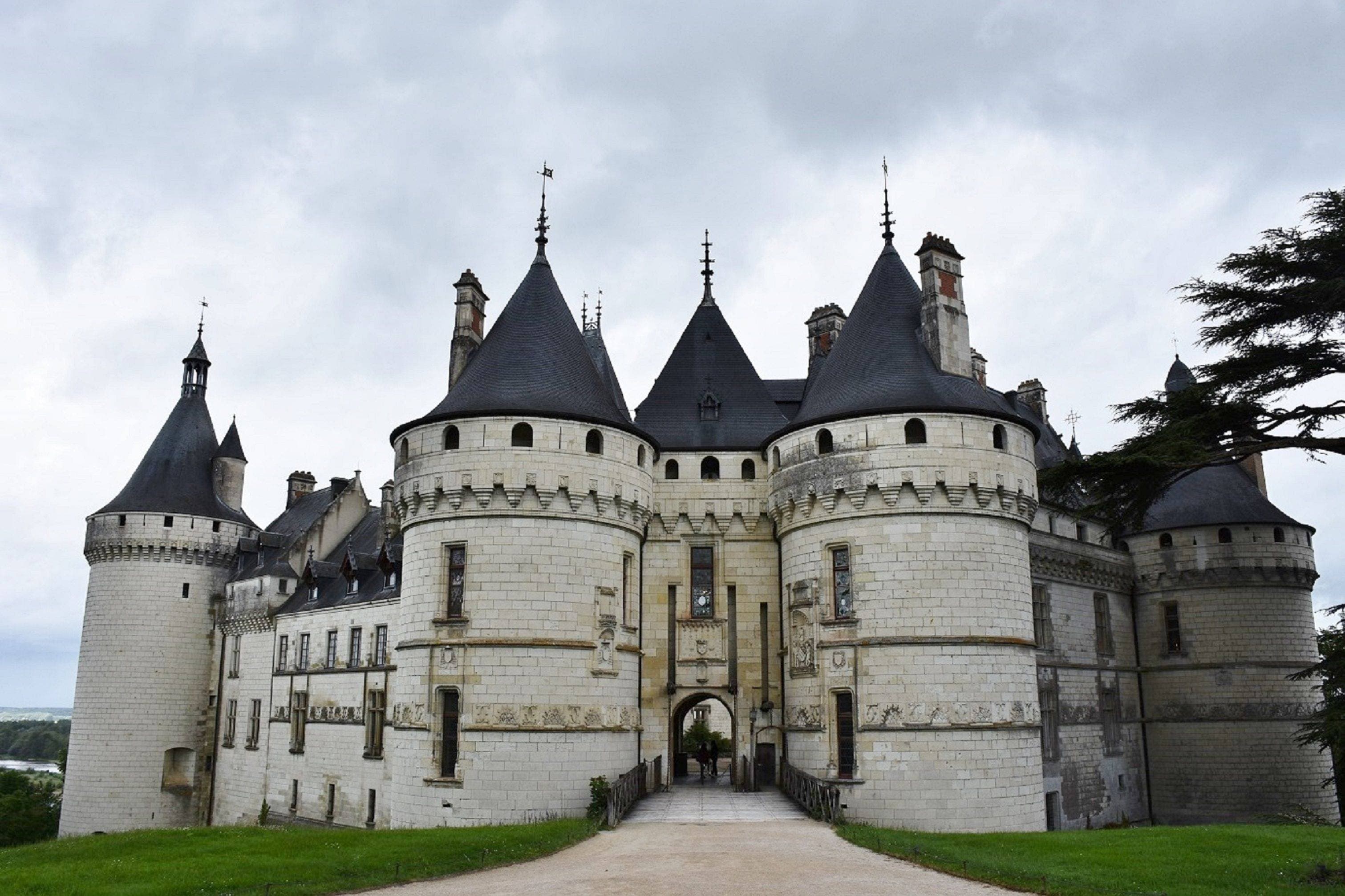
Château de Chaumont-sur-Loire

Commanding the Loire from its panoramic terrace, the château de Chaumont is famous for its late medieval architecture with imposing round towers. Catherine de Medici and Diane de Poitiers lived there successively. Since 1992, it has hosted the International Garden Festival, a world-renowned event that transforms the estate's gardens each summer into a contemporary artistic installation around a theme.

Getting there from Paris

TGV, car or private chauffeur: the options for reaching the Loire Valley.

TGV from Paris

Gare Montparnasse serves Tours (1h05), Blois (1h00) and Saint-Pierre-des-Corps. From these stations, shuttles or taxis reach the main châteaux. TGV is ideal for a day at one or two châteaux near a station (Blois → Chambord, Tours → Chenonceau or Amboise).

Car from Paris

The A10 motorway (Paris–Bordeaux) serves Blois (175 km, ~1h50), Tours (230 km, ~2h15) and exits towards Chambord and Amboise. A car is essential for visiting several châteaux in a day and for reaching Chaumont or Cheverny, poorly served by public transport.

Private chauffeur from Paris

The most comfortable option for a château day: pick-up in Paris or at the airport, tailored circuit (2 to 3 châteaux depending on pace), waiting on site between visits. Ideal for families or groups wishing to maximise visiting time without worrying about the journey.

Frequently asked questions about the Loire châteaux

How many châteaux can you visit in a day from Paris?

Two to three châteaux are reasonable in a long day from Paris (early departure, evening return). The most common combinations: Chambord + Cheverny, Amboise + Clos-Lucé + Chenonceau, or Blois + Chambord. A private chauffeur allows you to optimise travel between sites.

Which Loire château is an absolute must-see?

Chambord for its architectural grandeur, Chenonceau for its elegance, Clos-Lucé for its human story (Leonardo da Vinci). If you can only choose one, Chambord remains the most spectacular monument, especially at dawn or sunset.

Should I book tickets in advance?

For Chambord and Chenonceau in peak season (July–August), online booking is strongly recommended. For other châteaux, on-site purchase is generally possible but queues may form at busy times.

Is the Loire Valley accessible by train from Paris?

Yes, Blois and Tours are connected to Paris Montparnasse by TGV in 1h–1h15. From these cities, a taxi or shuttle is needed to reach the châteaux (Chambord 20 km from Blois, Chenonceau 30 km from Tours). A private chauffeur from Paris remains the most direct solution.

What is the best season to visit the Loire châteaux?

Spring (May–June) and autumn (September–October) are ideal: mild weather, gardens in bloom or in colour, and more manageable crowds than in summer. Summer remains pleasant but very busy. In December, several châteaux offer spectacular Christmas illuminations and decorations.

Want to discover the Loire Valley châteaux from Paris? A private chauffeur takes you there in comfort.